World Breast Cancer Day: what we do every day also deserves a look
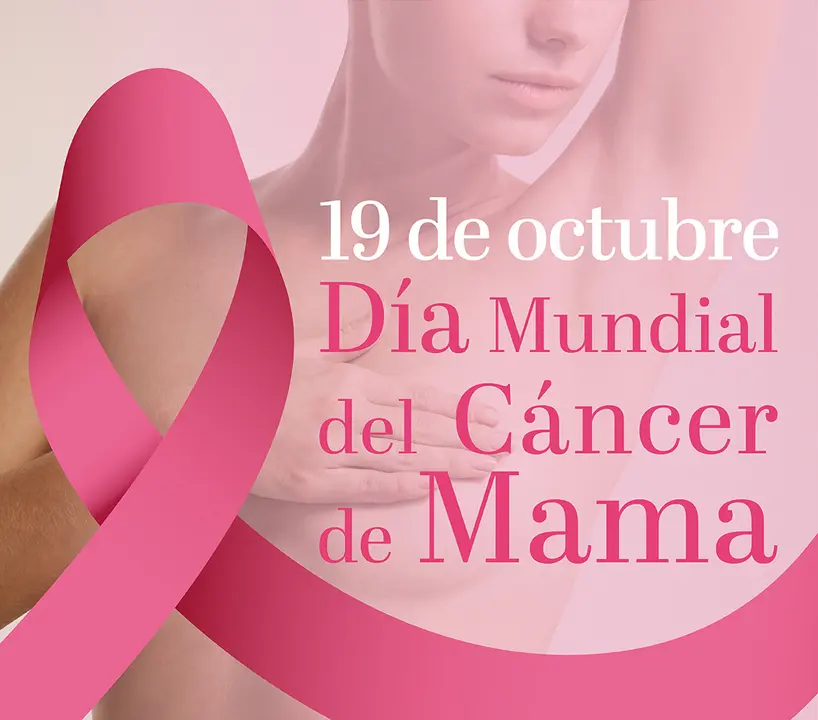
Taking care of oneself has become part of the lifestyle. We choose foods, invest in cosmetics, exercise, and seek treatments to sleep better or go through menopause with fewer discomforts. However, some decisions related to women's health remain surrounded by contradictory information, especially when we talk about breast cancer.
The first issue is understanding that there is no single cause. Age, genetics, and personal history influence the risk, as do certain hormonal factors and lifestyle habits. Reviewing them makes sense, as long as prevention is based on evidence and not fear.

The glass of wine no one considers a risk
Alcohol occupies a privileged place in many social routines: a glass upon arriving home, a dinner with friends, or a celebration. Its cultural acceptance contrasts with what we know about its effects. Alcohol consumption increases the risk of breast cancer, and the risk grows with the amount consumed. There is no evidence that red wine is exempt from this association due to its other components.
Tobacco also deserves a place in the conversation about breast health. Its relationship with lung cancer is widely known, but its association with breast cancer receives less attention. Exposure to smoke and consumption history are among the factors being investigated and should be considered within a general prevention strategy.
Nutrition that protects without turning the table into a source of anxiety
Social networks have popularized numerous lists of foods supposedly harmful to female hormones. The evidence points to something less spectacular and more useful: maintaining a healthy weight, eating a varied diet, prioritizing plant-based foods, and staying physically active.
Excess body fat becomes especially relevant after menopause, when adipose tissue contributes to estrogen production. Physical activity, in turn,
Cosmetics, deodorants, and bras: the suspicions under examination
Few topics generate as much doubt as the products we apply to our skin. Antiperspirants with aluminum, for example, have been the subject of numerous warnings. However, available studies have not shown that their habitual use causes breast cancer. There is also no convincing evidence that underwire bras or tight clothing cause the disease.
The debate about endocrine disruptors deserves a different consideration. Some substances can interfere with hormonal signals and their impact on health continues under investigation. This justifies scientific and regulatory vigilance, although it does not allow automatically attributing a cancer risk to every cosmetic that contains them.
Being informed about ingredients and following evaluations by health authorities is a reasonable stance. Living with the permanent suspicion that every everyday product can cause a tumor does not have the same support.
Menopause: personalize rather than generalize
The search for well-being during menopause has multiplied interest in hormone treatments. Their usefulness in relieving symptoms can be considerable, but the choice requires an individual medical assessment.
Combined estrogen and progestogen therapy is associated with an increased risk of breast cancer, especially with prolonged use. Treatments with estrogens alone present a different profile. Age, duration, formulation, and personal history modify the balance between benefits and risks.
The most sensible decision is to periodically review the indication with a healthcare professional, without idealizing these treatments or dismissing them out of fear.
What we feel and the relationships we maintain
The relationship between emotional suffering and illness is one of the most sensitive issues. Some women recall periods of great tension before diagnosis and wonder if a breakup, a loss, or years of conflict could have triggered the cancer.
So far, research has not consistently shown that psychological stress alone causes breast cancer. A systematic review and meta-analysis published in 2026 also found no statistically significant association between psychological stress and the incidence of this tumor.
Emotional well-being remains important. Persistent stress can alter sleep, hinder exercise, and encourage habits like smoking or drinking more alcohol. Abusive relationships and lack of support can also seriously harm health and deserve attention on their own.
Precision matters especially here: attributing cancer to negative emotions, resentments, or an alleged inability to manage problems lacks scientific basis. No woman should bear the idea that she got sick because she did not know how to live otherwise.
Sleep, move, and know your own history
Alterations in circadian rhythms, including prolonged night shifts, are studied for their possible effects on cancer risk. Results still depend on exposure characteristics and do not allow affirming that a few nights of poor sleep cause breast cancer. Ensuring sufficient rest and maintaining reasonable schedules benefits overall health, although it does not guarantee protection against this tumor.
It is also advisable to know family history. Several cases of breast or ovarian cancer, especially at early ages, may justify a specialized hereditary risk assessment.
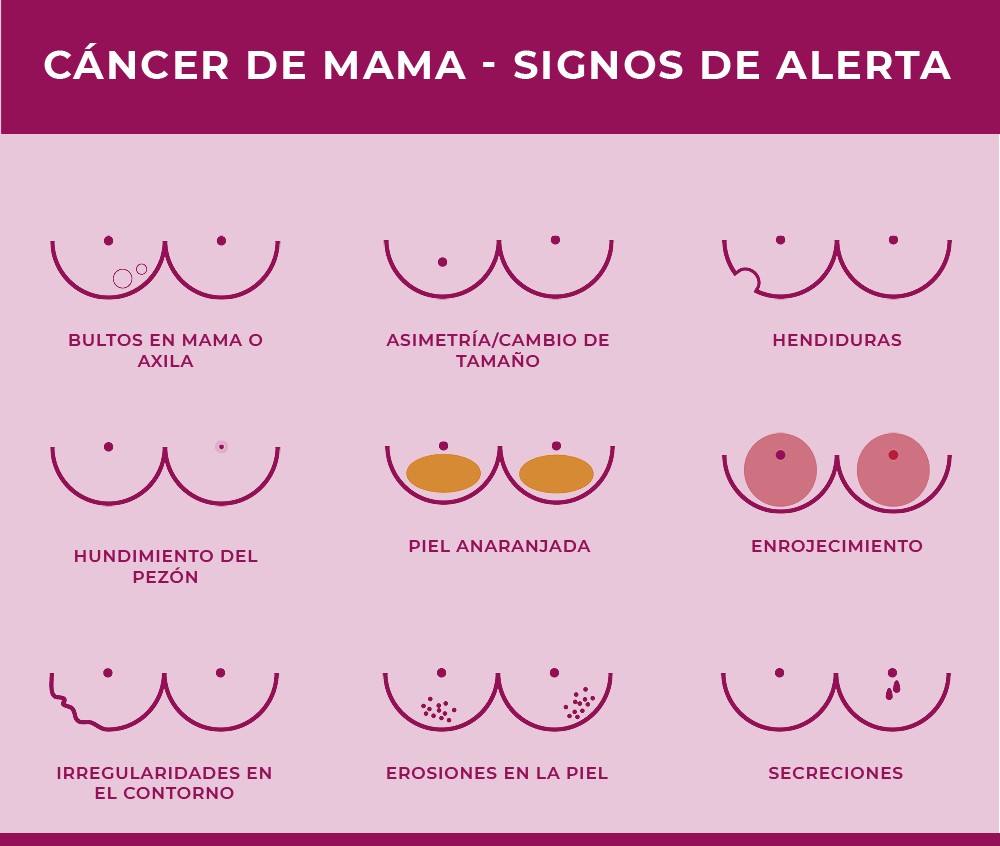
Mammography remains an essential early detection tool, and any new lump, changes in breast skin, or abnormal nipple discharge require medical evaluation.
Taking care of oneself means making informed decisions, not pursuing a life free of any risk. Reducing alcohol, avoiding tobacco, staying active, caring for nutrition, and undergoing recommended tests are useful measures. Distrusting promises of absolute prevention is also wise.
Breast cancer can appear even in women with healthy habits. Prevention helps modify probabilities; rigorous information and early detection allow acting with more knowledge and better options.