They kill Alexander Aslani: can ruining a career on OnlyFans cost a fortune or even a life?

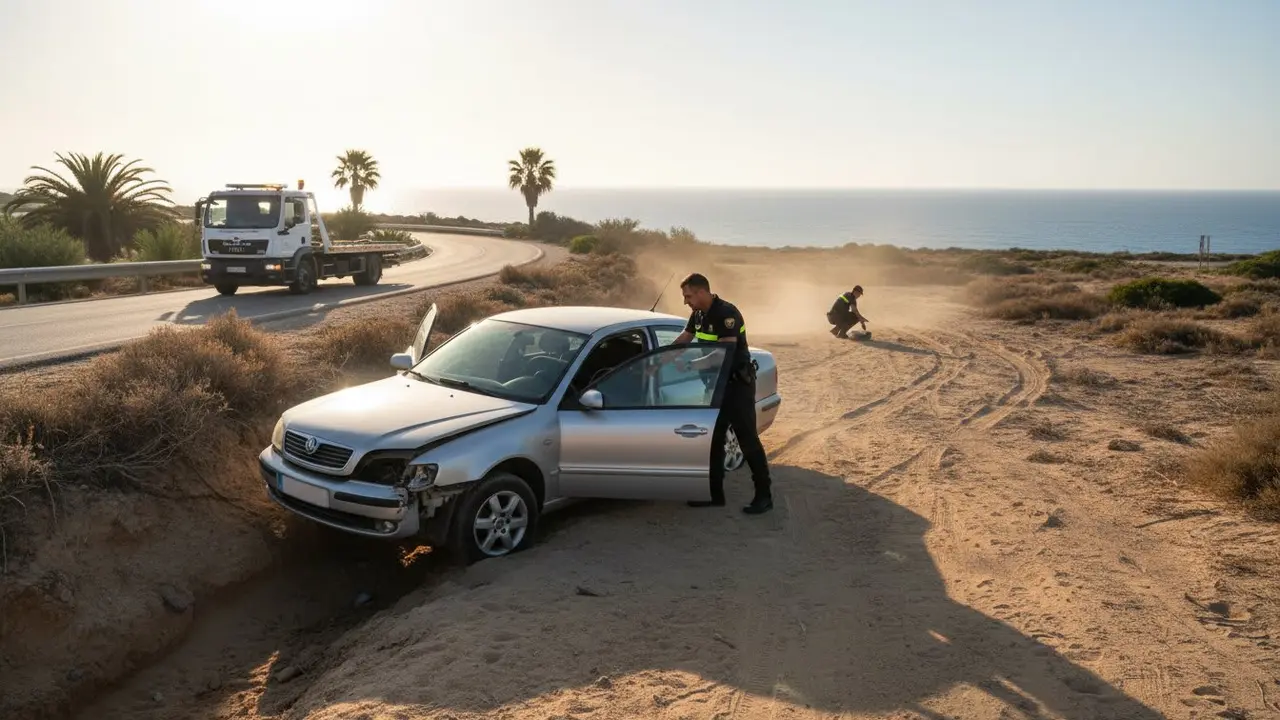
The scene has something cinematic about it, although it happened yesterday afternoon in Marbella and the police investigation is still in its early hours: a hooded man enters a Real Panorama aesthetic surgery clinic, fires several shots at surgeon Alexander Aslani, 57 years old, and escapes on a motorcycle. Health services try unsuccessfully to save his life. There are no arrests, nor is there, for now, an official explanation of the motive. The initial hypothesis of a settling of accounts linked to organized crime has been dismissed by the police, who keep various lines of investigation open, including the possibility that the attack might have been commissioned by a client.
It is worth stopping precisely there. In the hours following such a spectacular murder, it is tempting to fill in the gaps with what fits the Marbella imaginary: money, luxury, foreigners, nightlife, drugs, mafias, debts, or dangerous friendships. None of that is accredited in this case. I do not know Alexander Aslani personally nor do I have private information about his life. What his career does allow us to reconstruct is an abundant public, professional, and digital footprint that outlines a much more interesting character than the simple headline "plastic surgeon murdered."
Aslani had built for more than three decades an international position in plastic surgery, with some 14,000 procedures declared by his clinic and more than 7,000 cases specialized in body remodeling. He was head of Plastic Surgery at Quirón Málaga and Marbella between 2008 and 2018, founded Cirumed, and developed a specialization particularly associated with body contouring and the Brazilian Butt Lift, the well-known BBL. His name also appears in scientific publications and at international aesthetic surgery congresses.
His other major platform of influence was Instagram. His professional account hovered around 200,000 followers and was part of a communication strategy closely linked to image, surgical results, and the public exposure of his patients. At Cirumed you can find cases of social media figures, including Claudia Bavel, expressly presented as a patient of a gluteal intervention. The clinic itself turned some of those results into part of its international showcase.

There is a particularly revealing document to understand that universe. It does not come from a journalist or an anonymous source: it is published by Cirumed itself and signed by Alexander Aslani. The title in English is straightforward: "How a BBL Can Help You Get OnlyFans." The article explains to content creators how a procedure can improve their visual presence, increase engagement, foster subscriber acquisition, and open commercial opportunities. It talks about followers, income, sponsorships, collaborations, and surgery as an investment in a digital creator's career.
The sentence is especially significant after his death, although it does not establish any causal relationship with it: in that ecosystem, the body had ceased to be exclusively a medical or aesthetic matter to fully enter the attention economy. A good surgical result could be part of a personal brand, an Instagram account, an OnlyFans profile, and, in certain cases, a considerable source of income.
Marbella was the perfect setting for that intersection. The city concentrates high purchasing power international tourism, aesthetic industry, luxury hospitality, influencers, entrepreneurs, athletes, models, and a floating population accustomed to paying significant amounts for privacy, image, and specialized services. Cirumed had even developed specific infrastructure for international patients, with accommodation, transportation, and post-care linked to their procedures.
The relationship between surgery, social media, and reputation was also not without conflicts. One of the episodes publicly documented was Aslani's litigation against the British influencer Paulina Sobierajska. She had been a Cirumed patient and underwent three procedures between 2018 and 2020. She later published critical content about the surgeon on Instagram. In 2021, the British High Court issued a default judgment establishing £40,000 in damages, plus costs, and an order prohibiting the publication of certain accusations considered defamatory. The case later went to the Court of Appeal, which in 2025 dismissed the appeal filed by Aslani on a procedural matter related to that litigation.
That episode deserves to be recounted precisely. It was not a trial for medical negligence nor a ruling establishing that a patient had suffered malpractice. It was a defamation lawsuit related to publications made on social media. This fact is relevant precisely for what it represents: the reputation of a surgeon who works with international patients and public figures can be part of an economic value chain extraordinarily exposed. A medical experience can end up becoming content; that content can affect the image of the patient, the doctor, and an entire clinic.
A plastic surgeon who works with anonymous patients can remain relatively protected within the doctor-patient relationship. A surgeon who also works with models, influencers, content creators, and people whose appearance is an essential part of their professional assets works in a different territory. He is intervening on something that, for certain patients, has a direct economic value.
Modifying a body can mean modifying a personal brand. A scar, an unsatisfactory result, a photograph published prematurely, a complication, an economic dispute, or an accusation spread before hundreds of thousands of followers can gain a completely different dimension from that of a conventional medical controversy.
This does not mean either that Alexander Aslani's murder is related to any of these circumstances. There is no public evidence allowing such an assertion. The police are investigating, and it will be the investigation that determines what happened and why.
There is, however, an inevitable reflection on the place where it happened.
Marbella has built over decades an extraordinarily powerful economy around success: people with great fortunes, international entrepreneurs, luxury residences, hotels, restaurants, yachts, cars, clinics, professional offices, private security, and a service industry designed around those who can pay for it. This concentration of money is part of the city's economic identity and explains much of its international appeal.
It also generates a particular exposure. Professions that work around the wealth, image, health, or reputation of very powerful people handle information, expectations, and relationships that can have enormous value. Doctors, lawyers, financial advisors, real estate agents, public relations professionals, wealth managers, or security specialists know part of the lives of people who sometimes have a lot to lose.
Fame works similarly. In certain digital communities, ruining someone's professional reputation can be much easier than a decade ago and reach thousands in minutes. An Instagram profile can be a formidable commercial tool and, at the same time, a megaphone capable of multiplying a private conflict.
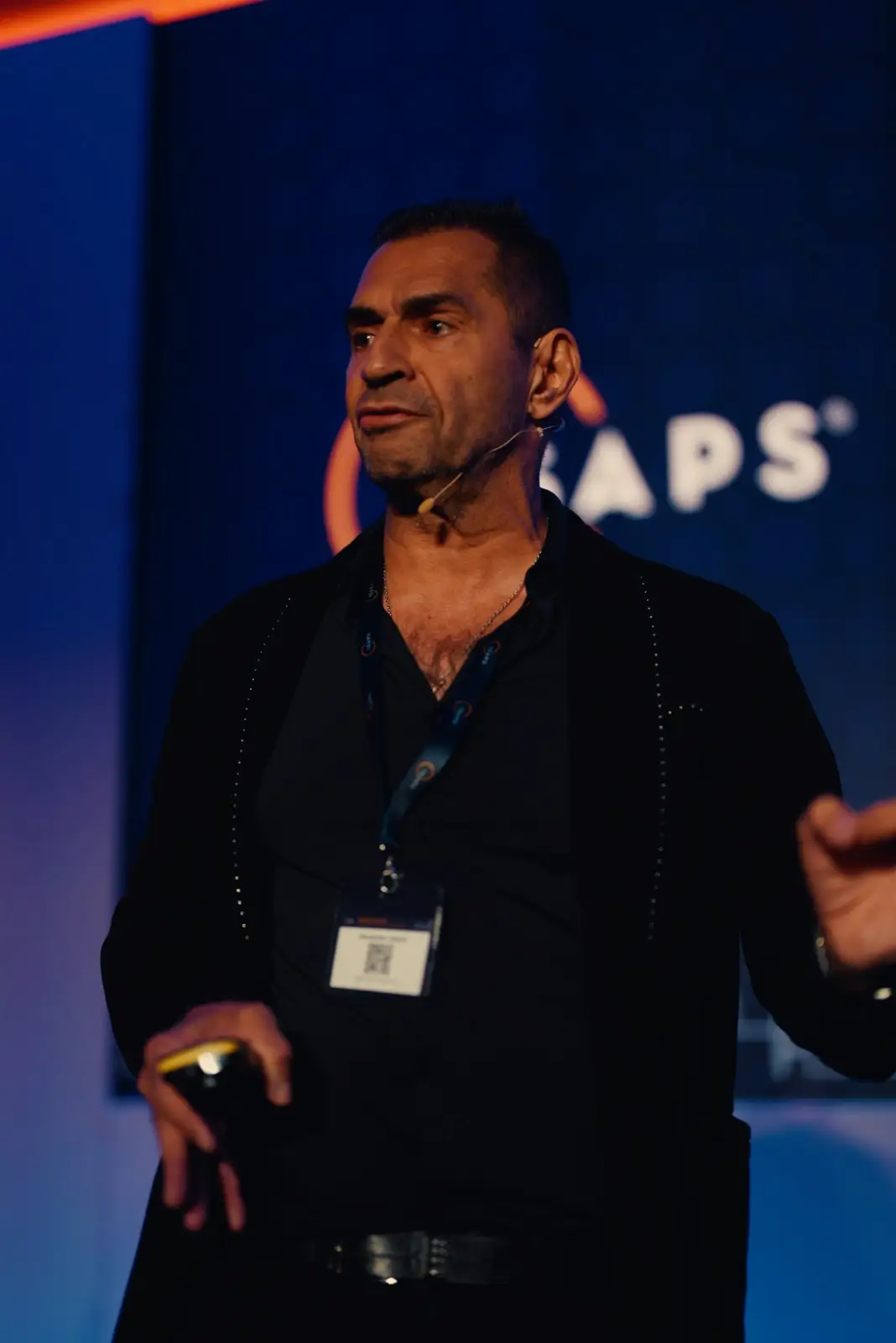
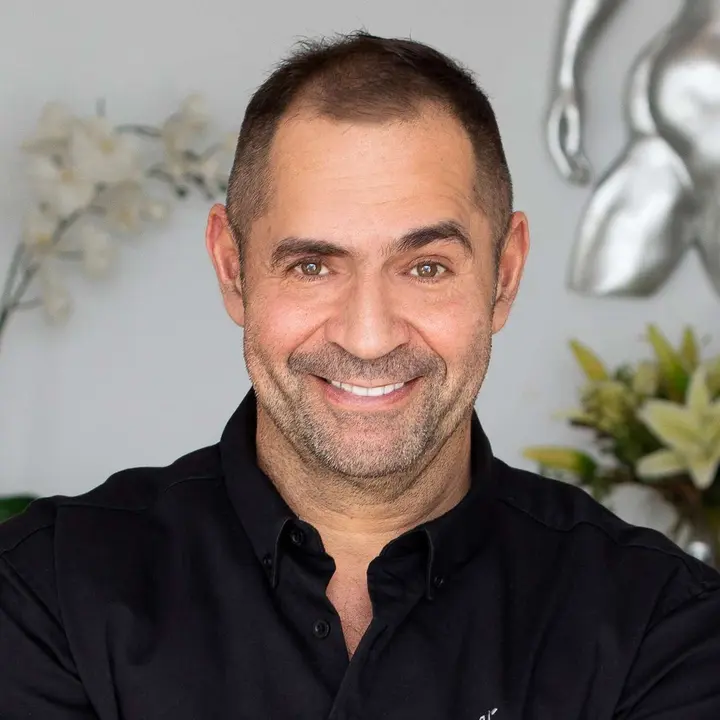
Alexander Aslani had built a singular career at the intersection between medicine, aesthetic surgery, international luxury, and digital economy. His own commercial communication openly spoke of helping OnlyFans creators improve their image and increase their economic opportunities. His clinic attracted foreign patients who knew his work through social networks and traveled to Marbella for surgery. His name appeared associated with cases of influencers and internet personalities. And his own trajectory shows how contemporary aesthetic surgery can be connected to an industry where appearance sometimes has a very high price.
Shootings linked to international mafias, drug trafficking, and settling scores are part of a reality the city knows, although the perception of insecurity has a different color when those who move in those circles drive high-end cars, frequent exclusive restaurants, and can be mistaken for any businessman or wealthy visitor.
Perhaps therein lies one of Marbella’s risks: appearance gives no warning. In a city where money, fame, image, and power circulate in the same spaces, it is never easy to know who is really sitting at the next table.