Algeciras demands protection for Customs Surveillance: the 2024 blockade
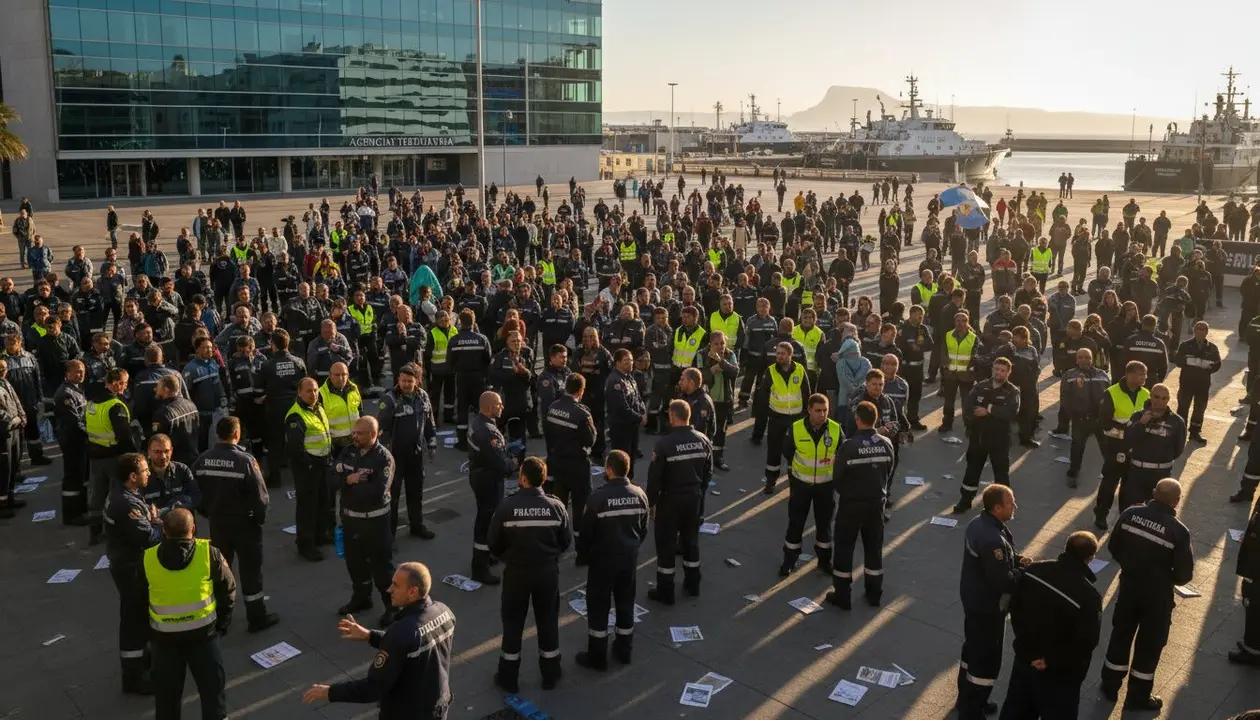
The protest demands that Customs Surveillance be recognized as a high-risk profession. Workers of the State Tax Administration Agency have gathered in front of the Algeciras Customs headquarters to demand more institutional protection, material resources, and staff reinforcements. The Csif union places the mobilization within a labor conflict that has seen no progress since the agreement signed in 2024.
Algeciras becomes the center of the protest
Why was the Algeciras Customs chosen?
The choice of Algeciras has an obvious local meaning: the protest takes place at a site that Csif considers “paradigmatic” in the fight against drug trafficking. The union also argues that it is an area suffering from a greater lack of resources. For the workers and those familiar with the activity in the region, this is not a demand made far from where these operations occur.
The gathering took place this Wednesday in front of the Algeciras Customs headquarters, in Cádiz, with the participation of AEAT workers. The main objective was to demand that the work of the Customs Surveillance Service personnel be considered a high-risk profession, a classification that Csif directly links to the protection received by those performing these duties.
The location also places the debate in a specific scenario: the Campo de Gibraltar. The protest does not speak of abstract work or just any office. It speaks of a workforce that, according to the union, participates in operations against drug trafficking in a particularly complex environment with resources it considers scarce.
A demand linked to daily security
Fran García, head of Csif National’s SVA, has defended that strengthening institutional protection for the group is “a priority.” In his statements, he has accused the Tax Agency of “systematically mistreating” these workers by keeping the recognition of their work as a high-risk profession frozen for years.
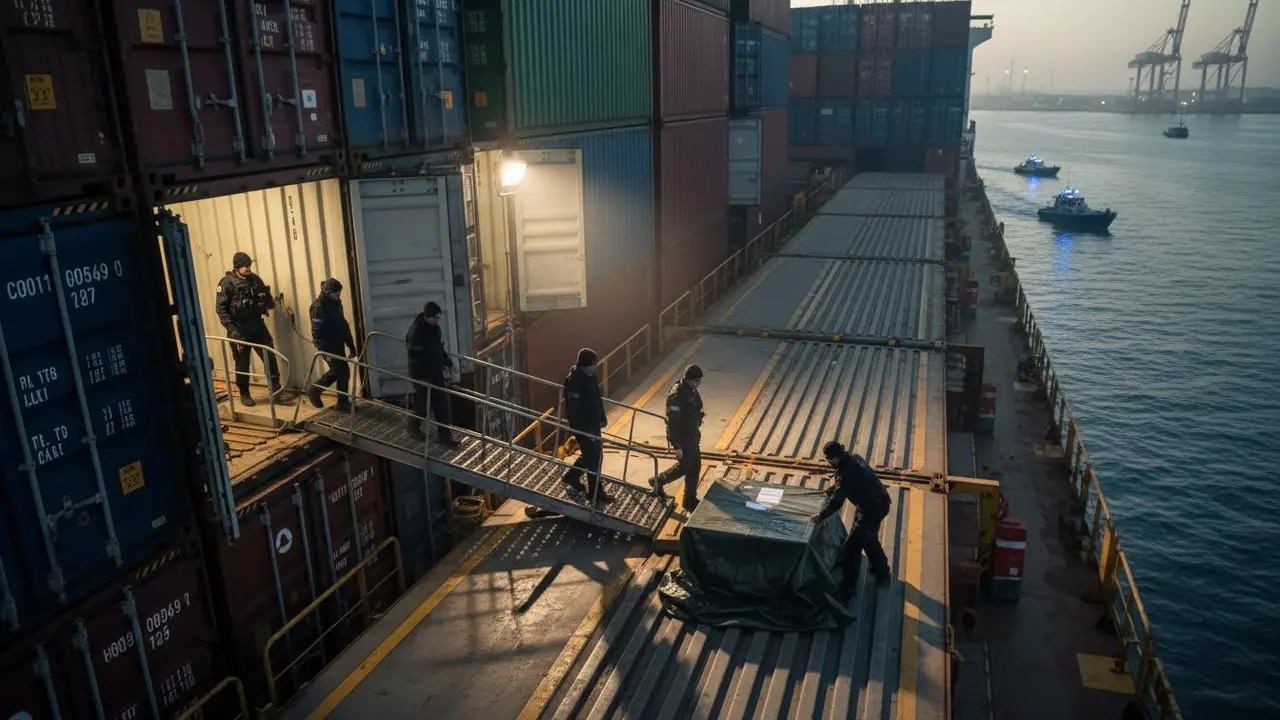
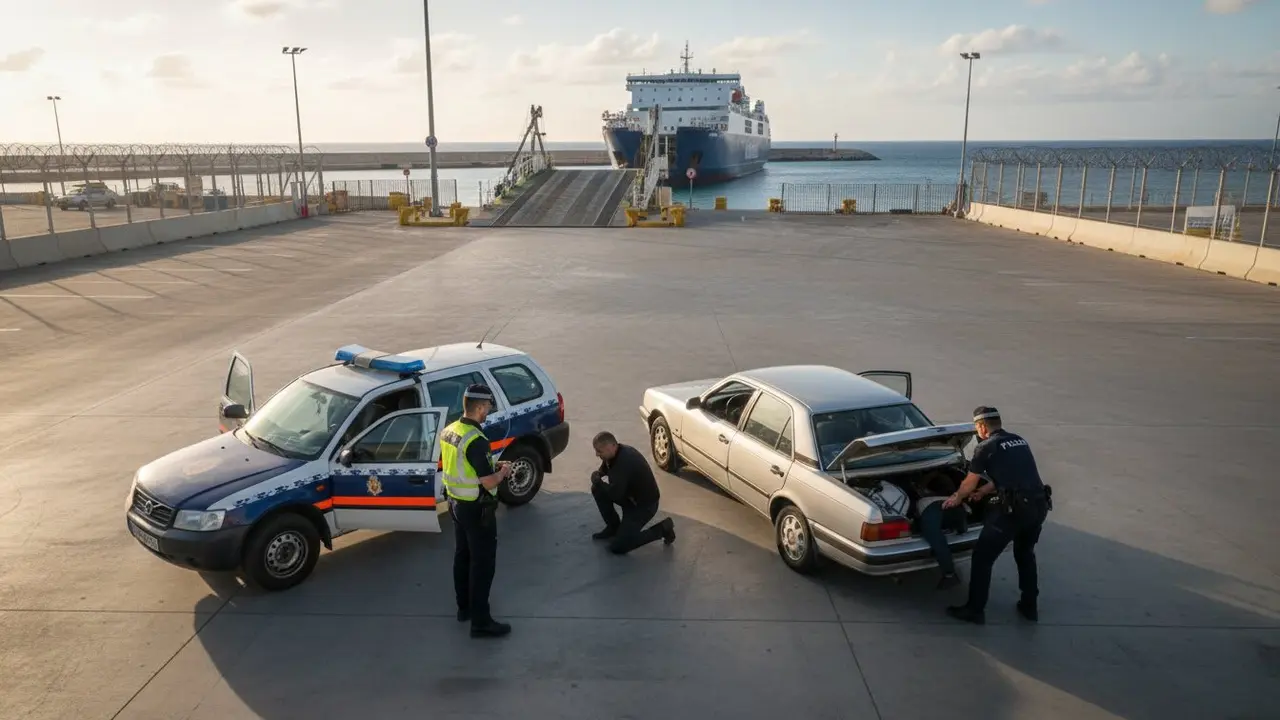
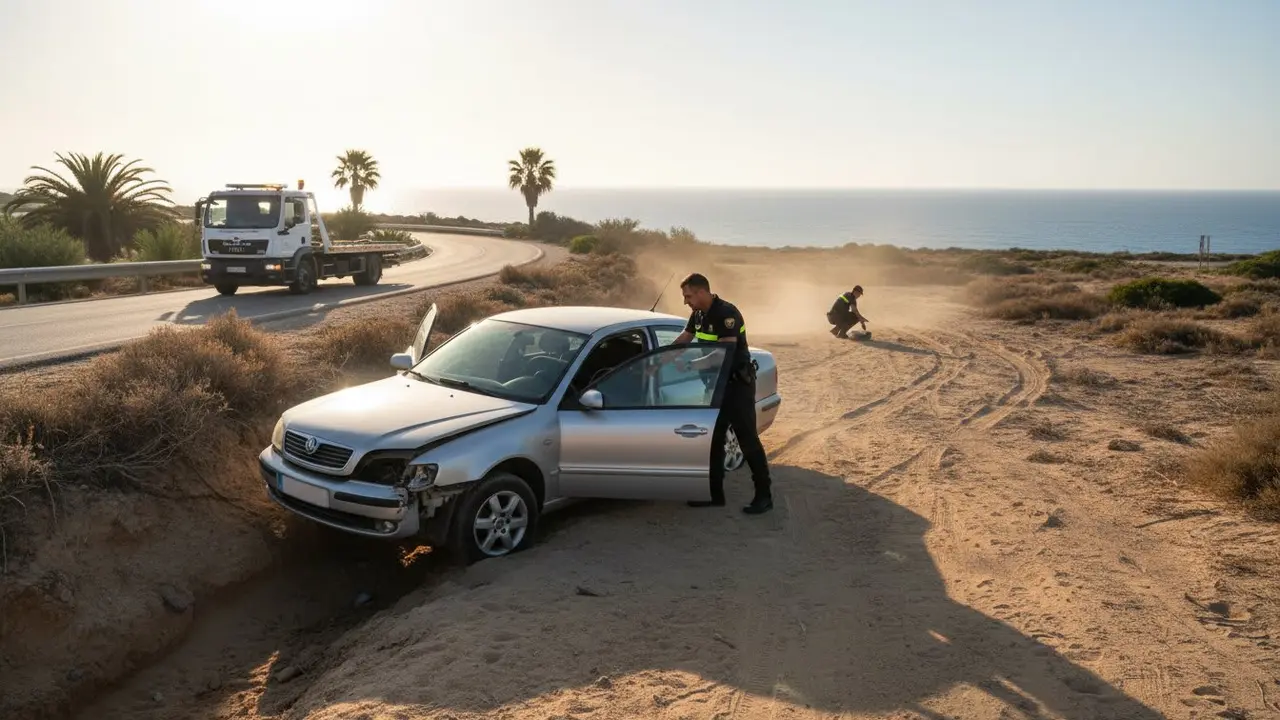
The union’s description includes chases by land, sea, and air against drug trafficking organizations. García stated that drug traffickers are “increasingly aggressive and better resourced,” while the workers act, in his words, “like any other security force.” The comparison summarizes the core of the protest: they carry out tasks considered highly dangerous but demand specific recognition consistent with that exposure.
Csif has also noted that some workers are even attacked while performing their duties and that “they risk their lives every day.” These are statements from the union, not a generic assessment of the activity. Precisely for that reason, the request is directed at three specific areas: legal guarantees, operational guarantees, and security.
The discussion, bluntly put, is not limited to a job label. For the union, having Customs Surveillance recognized as a high-risk profession should translate into greater protection for those involved in dangerous operations and an institutional response to the conditions under which they work.
What Csif demands from the Tax Agency
What does the high-risk profession request mean?
The request seeks the Tax Agency’s special recognition of the work of Customs Surveillance personnel due to the level of danger they face during their operations, according to Csif. The union demands that this recognition be accompanied by more legal, operational, and security guarantees, as well as sufficient resources.
The claim is presented alongside a demand to increase material and human resources. Csif considers that more resources are necessary to guarantee the physical integrity of workers involved in chases and operations linked to the fight against drug trafficking.
The focus is particularly relevant for Algeciras because the lack of personnel is not viewed as an isolated internal organizational problem. The union links it to the Tax Agency’s response capacity and the overload borne by its professionals. In an area chosen precisely due to its role in the fight against drug trafficking, the claim takes on an especially direct meaning.
A protest that includes career progression and telework
Recognition as a high-risk profession is one of the issues included in the collective conflict opened against the Tax Agency. Csif’s mobilization schedule also includes unlocking career progression and the development of telework, issues the union places within the pending labor negotiation.
As Csif has recalled, in 2024 an agreement was signed whereby the Tax Agency committed to reviewing these aspects. Since then, the union organization maintains, “there have been no advances.” That is the reason explaining the continuation of the protests: it is not presented as a new request but as a claim about commitments that, according to the union’s version, remain unfulfilled.
The collective conflict was filed by Csif last April. Subsequently, new mobilizations took place in various parts of the country, including a 24-hour strike at all work centers dependent on the Tax Agency. The Algeciras protest is therefore part of a broader campaign, although the union chose this city for the direct relationship between Customs Surveillance work and the fight against drug trafficking.
The approach has two levels. On one hand, there is the specific request for the SVA. On the other, there are claims affecting the entire AEAT workforce: career progression, telework, and staff reinforcement. The mobilization thus brings operational security and working conditions to the same negotiation table.
The resource problem and the next step in the conflict
What reinforcements does the union demand?
Csif demands an urgent reinforcement of the Tax Agency workforce to cover the lack of personnel, reduce workload overload, and guarantee adequate working conditions. The request does not specify a concrete number of new hires but does define the objective: to have more staff and resources to respond to assigned tasks.
The union links this lack of personnel to worker protection. If the activity takes place, according to their version, in chases by land, sea, and air and against drug trafficking with more resources, the claim is not limited to improving job comfort. Csif argues that the workforce needs material and human support to carry out their duties with greater guarantees.
For the reader in Algeciras, this part of the protest has a clear consequence: the debate unfolds around services operating in a specific territory under pressure the union describes as especially complex. No immediate solution or calendar for implementing the requested measures has been communicated. For now, the gathering serves to keep the demand at the forefront.
What could happen after the gathering?
The protest is part of the mobilization schedule Csif began last May. Before this gathering, the union had already filed a collective conflict against the AEAT and called national actions, including a 24-hour strike at the centers dependent on the Agency.
The next step will depend on negotiations regarding the issues Csif considers blocked: the special recognition of Customs Surveillance personnel, career progression, and telework regulation. The source does not include a response from AEAT management to the union’s accusations nor announce an agreement following the protest.
This silence marks the current state of the conflict. There is a specific claim, a 2024 agreement that Csif considers unfulfilled in progress, and a succession of mobilizations that continue. In Algeciras, moreover, the message is launched from the location the union identifies as especially representative of the fight against drug trafficking.
It remains to be seen whether the protest opens a real negotiation or adds another date to a calendar that already accumulates months of mobilizations. The central question will remain the same: whether Customs Surveillance work is recognized as a high-risk profession and whether that recognition comes with sufficient personnel, resources, and guarantees. That is the heart of the conflict.
The Algeciras gathering focuses attention on the security of Customs Surveillance, lack of personnel, and the blockage of several labor demands. Csif demands that the SVA be considered a high-risk profession, more material and human resources, and progress in career progression and telework. As long as there is no negotiated response, the conflict will remain open and mobilizations will continue to be the union’s tool.
Frequently Asked Questions
- Why are AEAT workers protesting in Algeciras?
- They protest to demand that the work of the Customs Surveillance Service personnel be recognized as a high-risk profession. They also demand more resources, staff reinforcements, and legal, operational, and security guarantees.
- Which union called the protest?
- The mobilization was called by Csif in front of the Algeciras Customs headquarters. It is part of a protest schedule started by the union last May.
- What other labor issues does Csif demand?
- Csif asks for progress in unlocking career progression, regulation of telework, and the special recognition of Customs Surveillance personnel. The union states there have been no advances since the agreement signed in 2024.
- When did Csif file the collective conflict against the AEAT?
- The union filed the collective conflict against the Tax Agency last April. Afterwards, it organized new nationwide mobilizations, including a 24-hour strike at AEAT-dependent centers.