The surprising mistake with tuna that ruins Russian salad
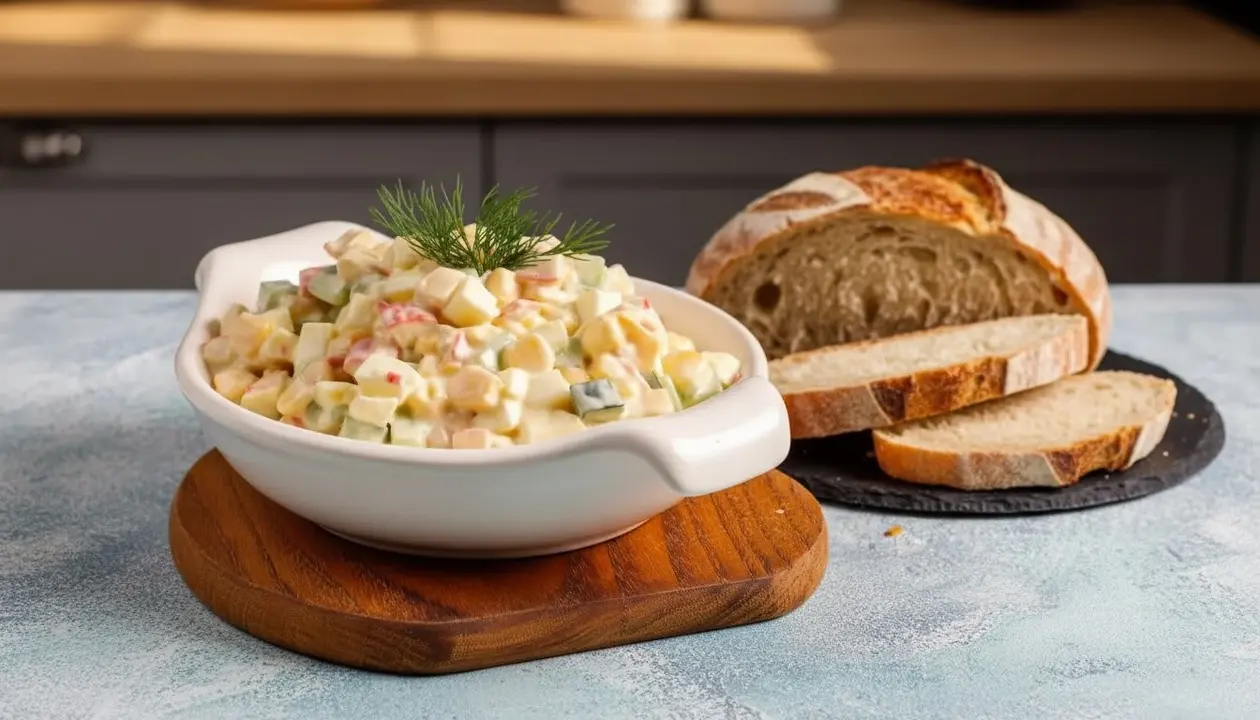

The biggest mistake that can ruin a Russian salad is leaving tuna oil in the mixture; draining it well and controlling the amount of mayonnaise helps achieve a lighter texture. The source places this detail alongside other common errors, such as not making homemade sauce, overdoing it, improperly cooking the potato and vegetables, or adding tuna in pieces that are too large. The result does not depend on a complicated maneuver, but on how the elements are assembled.
Tuna oil changes the texture
For those who prepare salad at home, this point matters because a small amount of liquid can alter the feel of the entire dish. The mixture should be creamy but not heavy; smooth, yet able to show its components clearly. When the preserved tuna arrives at the dish without being drained properly, that balance is upset.
Why is it advisable to drain the tuna?
The source explains that the leftover oil alters the final texture and can make the mayonnaise lose its lightness. The sauce ends up too thick and the salad feels denser when eaten. It’s not just a visual issue: excess fat changes how flavors are distributed and how each spoonful feels.
The recommended step is simple: place the tuna in a strainer or over a container and press it with a fork. Then it should be crumbled properly, instead of leaving compact blocks. This achieves a more even distribution and avoids one part being oily while another barely has any fish.
The visual sign is clear. The tuna should be loose, without a liquid shine accumulated at the bottom. When touched with a fork, it should separate into small, manageable fibers. That minute of care prevents the sauce from becoming the main character for the wrong reasons.
How much mayonnaise does the salad need?
The source does not set an exact quantity, but it does establish the criterion: the salad should not be drenched in sauce. Mayonnaise has to bind the ingredients and add creaminess, not mask the flavor or form a thick layer on the surface.
To adjust the point, it is preferable to add the sauce gradually and observe how the mixture responds. If the ingredients are already bound and keep their shape, adding more mayonnaise can be counterproductive. The correct finish should look creamy, not liquid or excessively shiny.
The sauce defines the result
This aspect is especially important for those seeking a salad with a homemade taste and a less heavy texture. Mayonnaise carries much of the dish’s personality: it brings fat, acidity, and cohesion. If too intense or poorly integrated, it hides the vegetables; if excessive, it turns the whole into a uniform cream.
What should a homemade mayonnaise include?
The preparation cited in the source is based on four elements: egg, vinegar, olive oil, and salt. No exact amounts are given, so it is not possible to fix a precise dosage without adding external data. The key described is to make it at home and adjust its intensity so it complements the rest of the dish.
When the flavor is too strong, the source suggests softening it with a little plain yogurt. The change affects both the palate and the perception of the sauce: the acidity becomes milder and the mixture can feel less heavy. Yogurt should act as support, not as a mandatory substitute for mayonnaise.
The sauce should have a smooth and homogeneous texture, without visible oil separation. Poorly emulsified mayonnaise leaves a greasy sensation and may lose stability when mixed with tuna. The emulsion works best when the fat phase and the aqueous part stay united; that is why a uniform appearance is the first sign that it is ready.
Why integrate the tuna instead of leaving large pieces?
The source points out that adding the fish directly in large chunks harms the final texture. Crushing it together with homemade mayonnaise allows its flavor to be distributed more evenly and avoids encountering dry fragments or excessive concentrations in a single area.
Another option described consists of preparing the sauce with yolks, salt, vinegar, and a little oil in the blender cup, then adding anchovies and a touch of mustard. These details are meant to strengthen the base flavor and help the tuna blend in, not just lie on top of the mixture.
The goal is not to completely erase the presence of the fish. The salad should still have a recognizable tuna background, but without each bite depending on finding a large chunk. The ideal texture is perceived as continuous, with small nuances, not as an irregular succession of separate parts.
The cooking point also matters
Readers who only correct the oil might still end up with an unbalanced salad if the potato or vegetables are off point. The source connects the result with respecting cooking times, because these elements must preserve an appropriate texture without hardening the whole or falling apart inside the sauce.
How to know if the potato and vegetables are at their right point?
The source does not provide exact times or temperatures, so no figures should be invented. It does establish a visual and tactile criterion: the potato and vegetables should be cooked but retain their texture. They should not be hard to the bite nor break down into a paste.
A potato that is too firm interrupts creaminess with a dry and hard bite. At the other extreme, a broken piece releases starch and can make the mixture more compact. Vegetables should keep their identity within the dish, with a recognizable cut and a bite that does not disappear on first contact with the tongue.
Control starts during cooking and ends when mixing. The elements should be handled carefully so they do not break before adding the sauce. The source directly links this respect for doneness with a more balanced salad, without hardness nor an excessively soft texture.
What order of work helps preserve texture?
The available information allows establishing a careful sequence: cook the potato and vegetables until tender but firm, cool them, drain the tuna very well, prepare or set out the mayonnaise, and combine everything without overworking. Each phase prevents a different problem.
The mixture should be done with gentle movements, especially when the ingredients already have the proper cooking. Pressing too much can break the potato and create a pasty base. It is also preferable to add the sauce little by little, because recovering a salad overloaded with mayonnaise is harder than correcting a somewhat dry mixture.
From a culinary perspective, the method makes sense: cooking fixes the vegetables’ texture, draining controls extra fat, and emulsion provides binding. If one of those three points fails, the other two cannot always compensate. The salad seems simple; precisely because of that, every small imbalance is so noticeable.
Final advice: serve the salad cold and with a smooth surface, but without covering it with an excessive layer of sauce. Look for contrast between a light cream and elements that retain their shape. If you want to soften an intense mayonnaise, plain yogurt appears in the source as an alternative; if you want to enhance flavor, mustard and anchovies are part of the described combination. The source does not specify storage times, serving temperatures, or ingredient quantities, so it is advisable not to present them as fixed data.
The desired result is easy to recognize: a fresh, creamy, and aromatic spoonful, with well-distributed tuna and no oily film on the palate. Draining the preserve, moderating the mayonnaise, caring for cooking, and integrating the components transforms a heavy mixture into a cleaner and more balanced salad. The decisive detail is before mixing: removing the excess oil.
Frequently Asked Questions
- What mistake ruins Russian salad the most?
- Leaving part of the tuna oil in the mixture can alter the texture and make the mayonnaise too thick. The recommendation is to drain and press the preserve well before crumbling it.
- Should the salad be covered with a lot of mayonnaise?
- No. The sauce should bind the ingredients without drowning the whole or hiding their flavors. Adding it little by little allows better control of the final texture.
- Why is homemade mayonnaise recommended?
- The source presents it as a way to control the sauce base, made with egg, vinegar, olive oil, and salt. It also suggests softening it with plain yogurt if the flavor is too strong.
- How should the tuna be added?
- It should be drained, pressed with a fork, and crumbled. Integrating it with mayonnaise helps distribute the flavor and prevents large pieces from harming the texture.