5 easy chestnut recipes to discover the secret of autumn
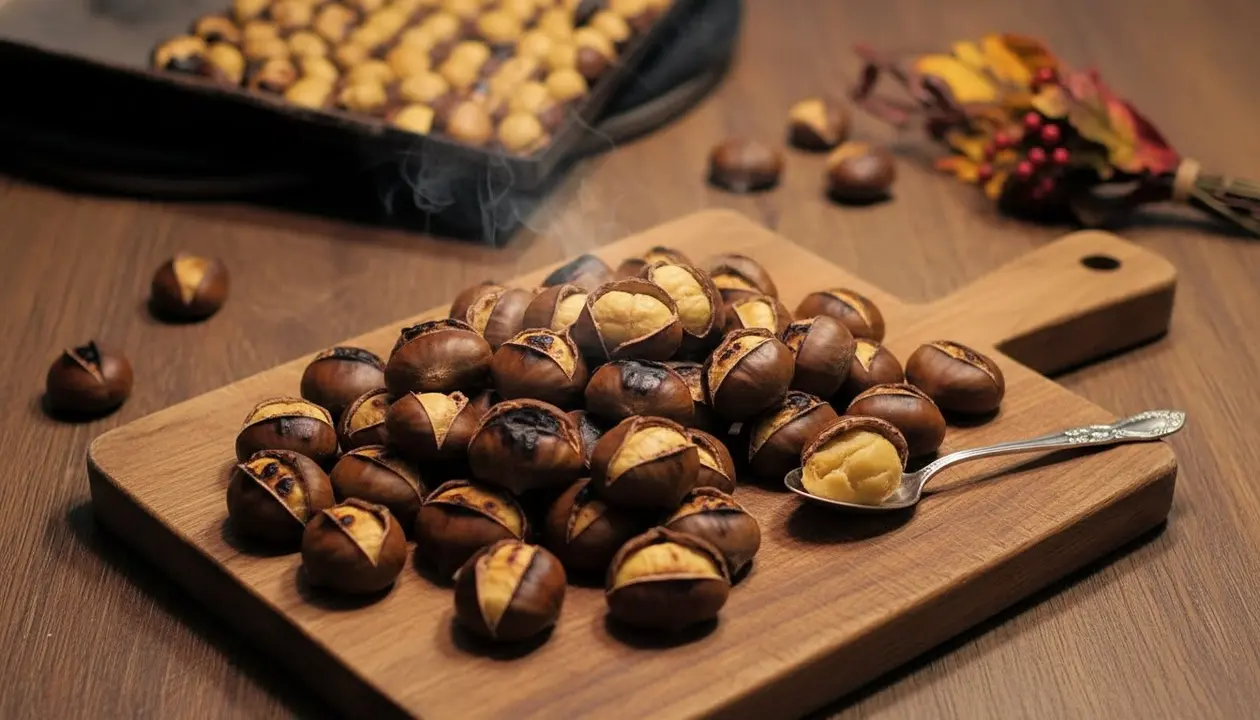

Chestnuts can be turned into five easy dishes: roasted, mashed into a cream, sautéed with potatoes and mushrooms, cooked with milk, or incorporated into a cake. The starting information gathers homemade preparations designed for beginners, with specific times and common ingredients. The result allows understanding the chestnut beyond an appetizer and bringing it to the table with simple techniques, without turning cooking into a test of patience.
The chestnut, much more than an autumn appetizer
For those who buy a cone and don’t know what to do afterward, this fruit offers a very practical outlet: it works for savory dishes, side dishes, and desserts. Its texture changes depending on the treatment, from a tender and warm pulp to a silky purée capable of adding moisture to a dough.
Why is it so hard to peel chestnuts?
The difficulty lies in the inner skin, which sticks to the flesh when the fruit cools down. That’s why it’s advisable to peel them while still hot, right after roasting or boiling. The heat loosens that layer and allows it to be removed with less effort (although hands will need protection).
If they are to be boiled, the prior cut in the shell is also crucial. By scoring and cooking them, the shells open in about fifteen minutes, which makes the subsequent work easier. It’s a small detail, but it completely changes the experience.
The secret is in choosing well and waiting
Raw chestnuts lose part of their astringent flavor if they rest for about a week before cooking. During that time, the concentration of tannins, responsible for much of that astringent sensation, decreases. In the store, the mistake to avoid is buying damaged fruits or storing them carelessly, because poor conservation shortens their lifespan.
There is also a quick route: cooked and vacuum-packed chestnuts are sold peeled in many supermarkets. They work especially well in creams, side dishes, and cakes. For preparations where the aroma of the oven and toasted skin are sought, fresh chestnuts offer a more pronounced experience.
Five easy recipes to make the most of them
These five preparations matter because they cover almost an entire autumn meal: a crunchy bite, a light cream, a side dish, a traditional dessert, and a pastry item. The selection is useful for beginners because it doesn’t require complicated techniques and allows using fresh or already cooked chestnuts depending on the available time.
What is the easiest way to start?
Oven-roasted chestnuts are the most direct entry point. Approximately four servings require:
- 500 g of chestnuts.
- A little water.
- Salt, optionally.
Preheat the oven to 200 °C. Wash the chestnuts and make a cross-shaped cut on the rounded part of each one; this opening allows steam to escape and reduces the risk of bursting. Place them on a tray, sprinkle with a little water, and roast for about 20 minutes.
They will be ready when the shell opens, the outside takes on toasted tones, and the pulp feels tender when pierced. Wrap them in a cloth for a few minutes and peel while hot. In an air fryer, the indicated time is about 15 minutes at 180 °C. The sound of the shell cracking and the toasted aroma are the best signals that the process is progressing.
From smooth cream to moist cake
For a pumpkin and chestnut cream, gather 600 g peeled and chopped pumpkin, 200 g cooked and peeled chestnuts, one onion, a tablespoon of butter or olive oil, 750 ml vegetable broth, salt, pepper, nutmeg, and some walnuts for garnish.
Sauté the chopped onion for 5 minutes in the butter or oil. Add the pumpkin and chestnuts, stir, and cover with the broth. Cook over medium heat for 25 minutes, until the pumpkin breaks down easily and the liquid bubbles gently. Blend, adjust salt and pepper, add a pinch of nutmeg, and finish with chopped walnuts. The result is a warm, smooth cream with a final crunch.
The side dish of potatoes, mushrooms, and chestnuts needs 500 g potatoes, 250 g mushrooms or champignons, 150 g cooked and peeled chestnuts, one garlic clove, a tablespoon of wholegrain mustard, olive oil, salt, and parsley. Boil the chopped potatoes in salted water for 12 minutes. Then, brown the sliced garlic and sauté the mushrooms for 5 minutes, until they release water and take on color.
Add the drained potatoes and chopped chestnuts, mix in the pan, and remove from heat. Mustard and parsley are added at the end to preserve their aroma. The result combines the tender center of the potato, the slightly mealy chestnut flesh, and the toasted note of the mushrooms.
For the sweet section, chestnuts with milk require 300 g peeled chestnuts, 1 liter of milk, a cinnamon stick, the peel of half a lemon, 4 tablespoons sugar, and a pinch of salt. If raw, boil them for 5 minutes and remove the inner skin. Then warm the milk with the cinnamon, lemon, sugar, and salt.
Add the chestnuts and cook on low heat for between 30 and 40 minutes, stirring occasionally. The milk should stay hot, with small bubbles and without a vigorous boil. Remove the cinnamon and lemon before serving. It can be enjoyed hot, with a citrus aroma, or cold, when the mixture gains a thicker texture.
For the cake, prepare 200 g cooked and peeled chestnuts, 3 eggs, 150 g sugar, 100 g melted butter, 150 g flour, a packet of baking powder, and a pinch of salt. Mash the chestnuts until you get a purée. Beat the eggs with the sugar until pale, then add the butter and purée.
Incorporate the sifted flour with the baking powder and salt, pour the batter into a greased mold, and bake at 180 °C for 35-40 minutes. The cake will be ready when the surface is golden and a skewer inserted in the center comes out without liquid batter. The chestnut provides moisture and a flavor reminiscent of toasted nuts.
Tips for cooking, preserving, and serving chestnuts
The reader saves time when separating two decisions: use fresh chestnuts to seek toasted aroma or choose already cooked chestnuts to solve a recipe on a weekday. That difference is not minor; it determines the peeling work and also the intensity of the flavor. Autumn cooking can be slow, but it doesn’t have to be complicated.
How to peel without turning the recipe into an odyssey?
The answer is simple: cut the shell before applying heat and peel the fruit while it retains temperature. After the oven, a few minutes wrapped in a cloth help keep it hot. After cooking, wait just long enough to handle it without burning yourself.
The visual sign is clear: the shell must be open, and the inner skin should separate without pulling off too much flesh. If some resist, do not let them cool completely; the cold makes that thin layer that sticks to the flesh tougher.
What does the chestnut offer compared to other nuts?
Its profile is different because it contains a lot of starch and fiber, and resembles cereals more than nuts like almonds or cashews. Every 100 grams provide less than 200 kilocalories, whereas almonds are around 570 and cashews around 550, according to source information.
About half of its weight is water and it contains very little fat. It also provides about 7 g of fiber per 100 g, in addition to potassium, phosphorus, and magnesium. When consumed raw, it provides between 35% and 45% of the recommended daily vitamin C, although cooking reduces that amount.
- Chestnut flour is naturally gluten-free.
- It can be used in breads and cakes for celiac people if the packaging guarantees no cross-contamination.
- Lutein, zeaxanthin, and polyphenols also appear among its notable compounds.
- The cream can be frozen in portions to solve future autumn dinners.
For serving, place the cream in a bowl and add the walnuts just at the end, so the crunchy contrast is not lost. Potatoes with mushrooms work as a main dish or alongside meat or fish. The milk dessert calls for simple tableware, while the cake improves if cut when completely cold and keeps its moist center.
The chestnut ceases to be a fruit reserved for the fire of street stalls when its behavior is understood: it peels better hot, mashed it thickens and moistens, and sautéed it offers a sweet and earthy counterpoint. With these five easy recipes, autumn comes to the table in the form of golden pulp, steaming cream, aromatic side dish, or tender cake. Just choose the first dish and let the oven do the rest.
Frequently Asked Questions
- How long do chestnuts need in the oven?
- The recipe indicates about 20 minutes at 200 °C. They should show an open shell, toasted exterior, and tender pulp when pierced. In an air fryer, the approximate time is 15 minutes at 180 °C.
- Is it better to peel chestnuts cold or hot?
- It is easier to peel them hot, right after roasting or boiling. The inner skin sticks more when the fruit cools, so it’s advisable to work while it maintains temperature.
- Can cooked and packaged chestnuts be used?
- Yes. Cooked and vacuum-packed chestnuts, already peeled, save the most laborious step. They are especially practical for creams, side dishes, desserts, and cakes.
- Can pumpkin and chestnut cream be frozen?
- Yes, the preparation can be frozen in portions. To serve later, it should be thawed and heated until homogeneous again, stirring before adding the walnuts.