
Málaga opens its Heritage with nearly 30 free activities this October
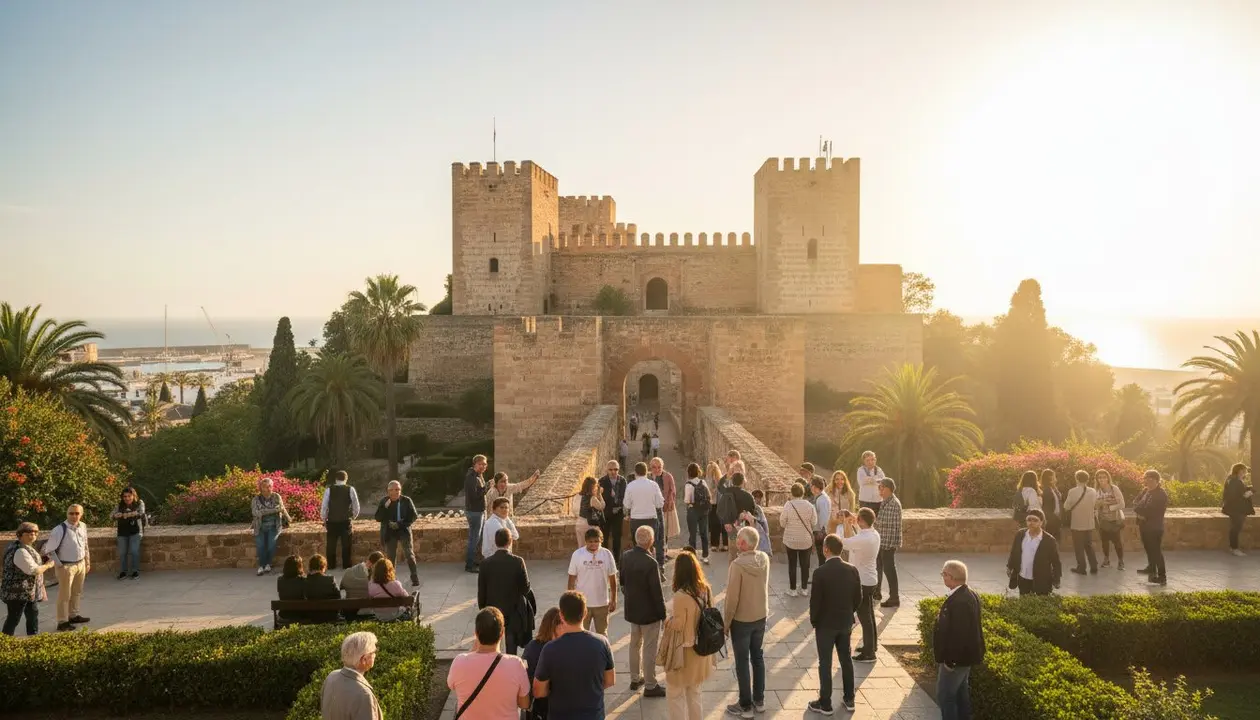
Málaga hosts nearly thirty free activities about its heritage during October. The program includes guided tours, lectures, workshops, exhibitions, and outreach at various locations across the province, from the Nerja Cave to the Dolmens of Antequera. Most activities require prior booking.
An agenda to see Málaga with new eyes
For those living in the province, the proposal offers more than just a list of cultural plans: it allows entering spaces often viewed from the outside and hearing the stories that explain their preservation. This is the local appeal of a series of events that connect archaeological, industrial, artistic, and documentary heritage.
What is the slogan of the European Heritage Days?
The events are held under the slogan “Heritage at Risk: Revive, Resist, Reimagine”. The phrase focuses on the need to protect, conserve, and transmit historical assets, a task that the regional delegate, Carlos García, has set as a priority.
García has encouraged both Málaga residents and visitors to approach “our history in a different way” through the planned activities. The idea translates into very concrete proposals: learning about restoration work, discovering archaeological research, and touring monuments with explanations that usually do not appear on a conventional visit.
What types of activities have been scheduled?
The schedule includes outreach, lectures, workshops, guided tours, and exhibitions. All activities are free, although in most cases prior booking is required—a detail worth checking before organizing the visit.
- Historical and monumental heritage.
- Archaeological sites and Roman villas.
- Rock art and prehistoric caves.
- Industrial and documentary heritage.
- Family activities and proposals for Primary Education students.
The first events: Industry, caves, and Rock Art
The start concentrates some of the most unique program content. For the Málaga reader, the combination is especially interesting because it links well-known places —such as the Nerja Cave— with less typical access sites and the capital’s industrial history.
What happens on October 8 in Málaga and Nerja?
Activities begin on Thursday, October 8, at the Málaga Museum, with the presentation of the book “Architecture for Industry: Intelhorce” and a lecture by its author, Rafael Urquiza Sánchez.
Urquiza Sánchez is the architect responsible for remodeling the old building of the Málaga textile company, now transformed into Mayoral’s current logistics center. The session allows approaching a chapter of Málaga’s industrial architecture and the transformation of a building with a function very different from the original.
The same program includes a guided visit to the Nerja Cave. The tour will introduce recent archaeological research and conservation work being carried out at this site, two lines that explain why a cave is not only a tourist attraction but also a space for study and protection.
Where will Rock Art visits be held on October 9?
On Friday, October 9, coinciding with the European Rock Art Day, visits will be organized to several locations in the province. The agenda includes the Ardales Cave, the rock shelters of Laja Prieta and Ermijo in Álora; the Peñas de Cabrera in Casabermeja; and the Victoria and Higuerón caves in Rincón de la Victoria.
The selection draws a broad route through the province and allows comparison of spaces with different characteristics. It is not a single visit repeated in several places: each site is part of its own archaeological story, with its conservation conditions and particularities.
From Antequera to Málaga city: a map of visits
The program extends across various municipalities and brings together sites, monuments, neighborhoods, and archives. For those seeking a cultural plan outside Málaga city, there are several options spread throughout the province; for those who prefer to stay in the city, special tours and access have also been prepared.
Which sites and monuments are part of the program?
Among the archaeological sites are the Antequera Dolmens Archaeological Ensemble, the La Estación Roman villa, and the Roman city of Suel. These are three proposals linked to different periods and realities, providing variety that allows moving from prehistory to the Roman footprint without leaving the provincial program.
The agenda also includes the Royal Collegiate Church of Santa María la Mayor de Antequera, the Ronda Bullring, and the Royal Monastery of Our Lady of Grace of Vélez-Málaga. Each visit adds a different piece to the historical narrative of the province: religious architecture, bullfighting heritage, and monumental spaces with a long history.
And here lies one of the calendar’s successes: it does not concentrate all attention on a single place. Heritage appears distributed among municipalities and typologies so that the activity can also serve to discover nearby spaces that may be known by name but not from the inside.
What can be visited in Málaga city and what proposal is there for schoolchildren?
In Málaga city, guided visits will be held to the La Malagueta neighborhood, the Historic San Miguel Cemetery, and the Crypt of the Counts of Buenavista. There will also be a proposal to visit the Museum of Arts and Popular Customs.
The Provincial Historical Archive will also open its restoration workshop to show the work of professionals who conserve the province’s documentary heritage. This is one of the activities that best teaches the less visible part of heritage protection: not only buildings and pieces are visited, but also how they are maintained is learned.
For families and children, the program includes a dramatized visit to the Roman Theater of Málaga on October 20, aimed at Primary Education students. During the activity, schoolchildren will meet Flavia, a Roman citizen who will guide them through her story about the history and functioning of this performance space.
The Málaga program is part of a broader call in Andalusia. Across the community, more than 150 activities are planned in over 70 municipalities of the eight provinces, with proposals running through October and November.
The province of Málaga concentrates nearly thirty free opportunities to approach its heritage from very different perspectives: archaeology, industrial architecture, rock art, documentary conservation, monuments, and educational activities. The practical key is to book in advance, while the distinctive value lies in that many visits allow learning about the work that supports these places. Málaga not only displays its history: it also explains how it tries to preserve it.
Frequently Asked Questions
- How many free activities does the Junta organize in Málaga?
- The Junta organizes nearly thirty free activities in various locations across the province of Málaga during October, as part of the European Heritage Days.
- Is it necessary to book to participate?
- Yes, all activities are free, but in most cases prior reservation is required.
- When do activities start in Málaga?
- The program begins on Thursday, October 8, at the Málaga Museum with the presentation of a book and a lecture on Intelhorce.
- Which rock art sites can be visited?
- On October 9, visits are scheduled to Ardales Cave, the rock shelters of Laja Prieta and Ermijo, the Peñas de Cabrera, and the Victoria and Higuerón caves.
- Is there an activity for schoolchildren?
- Yes. On October 20, there will be a dramatized visit to the Roman Theater of Málaga, aimed at Primary Education students and featuring the character Flavia.